| | | | | | | | |


Agriculture :: Cereals      


COMPOSITION

Top

Beta-D-glucans, usually referred to as beta-glucans, comprise a class of non-digestible polysaccharides widely found in nature in sources such as grains, barley, yeast, bacteria, algae and mushrooms. In oats, barley and other cereal grains, they are located primarily in the endosperm cell wall.

Oat is the only cereal containing a globulin or legume-like protein, avenalin, as the major (80%) storage protein. Globulins are characterized by water solubility; because of this property, oats may be turned into milk but not into bread. The more typical cereal proteins such as gluten and zein are prolamines (prolamins). The minor protein of oat is a prolamine: avenin.

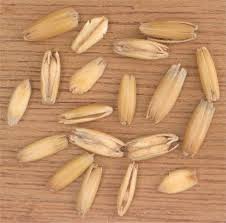
Oats (Avena sativa) form one of the most nutritious of all cereals for human use. Oatmeal obtained from the removal of husk is a common article of breakfast (porridge) in Europe. Oatmeal flour is not suited to bread making. The composition of the Indian oat meal is as follows; moisture, 10; protein, 13.6; fat, 7.6; carbohydrate, 62.8; and ash, 1.8 per cent. The grain contains considerable quantities of B vitamins.

• High in dietary fibre (soluble and insoluble)
One of the richest sources of soluble fibre in the form of beta-glucan (approximately 5 g per 100 g serving).

Rich in poly and mono-unsaturated fat and essential fatty acids
Linoleic acid and oleic acid (contributes to lowering LDL cholesterol and increasing HDL cholesterol)

Minerals
Magnesium, potassium, calcium (helps build strong bones)

• Vitamins
Folacin/folic acid (helps promote heart health)

• Antioxidants

  • Provides energy
     The soluble fibre in Oats slows digestion; this results in a slow release of energy that can help keep you physically and mentally active for hours.
  • Lowers the risk of heart disease
    The soluble fibre in Oats lowers total and LDL cholesterol (so-called ‘bad cholesterol’), without lowering HDL cholesterol (so-called ‘good cholesterol’). By lowering cholesterol, the soluble fibre in oats lowers your risk of heart disease. Oatmeal, along with a diet rich in fruits, vegetables and low-fat dairy products helps maintain blood pressure in healthy ranges.
  • Controls insulin levels
     The soluble fibre in Oats keeps blood glucose from rising too fast after you eat. This helps control blood glucose and insulin levels, making diabetes more manageable.
  • Helps staying in shape
    The ability of oat soluble fibre to absorb water and swell (increases the bulk of the intestines’ contents) creates a feeling of fullness. Eating oats is a delicious way to help curb the appetite and manage your weight.
    Oat porridge can be cooked up with hot water or low-fat milk in a jiffy. Top it up with fruits, nuts and other condiments to make it even tastier. Oats could even be made into a healthy, savoury poha. Oats also makes for a wholesome addition to chapatti or paratha dough or dosa, idli or uthapam batter.

Top

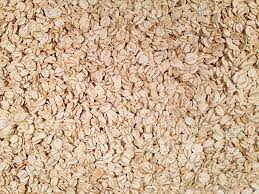
Whole grain oats are cleaned and conditioned. It is then fed into an externally heated, sealed pressure chamber. Steam is injected to raise the internal pressure in the chamber to about 14 kg/cm2 and then suddenly released by opening the chamber which expands water vapour inturn the grain blows up to several times its original size.  

Oats products                

Different types of processing are used to produce various types of oat products, which are generally used to make breakfast cereals, baked products and stuffings

Top

Technologies Available

Source

http://www.ngfa.org/Images/oats.jpg

http://www.eatmoreoats.com/health.html

http://www.wheatmontana.com/store/images/Rolled-Oats.jpg

USDA Nutrient database


Special Technologies  


| Home | About Us | Success Stories | Farmers Association |
| Gallery | Message Board | TNAU Publications | FAQ’s | Queries | Downloads | Site Map | Disclaimer | Contact |
© All Rights Reserved. TNAU-2008.