![]() |
|||||||||||||||||||||||||||||||||||||||||||||||||||||||||||||||||||||||||||||
| Home | Seed Scheme | Seed Village Concept | Mega Seed Project | Related Links | FAQ's | Contacts | |
|||||||||||||||||||||||||||||||||||||||||||||||||||||||||||||||||||||||||||||
Seed Processing |
Seed :: Pulses :: Bengal gram |
TNAU Seed Centre |
|||||||||||||||||||||||||||||||||||||||||||||||||||||||||||||||||||||||||||
![]() Selection of land
Isolating the seed crop to avoid genetic contamination
Selecting the right season Preparation of land
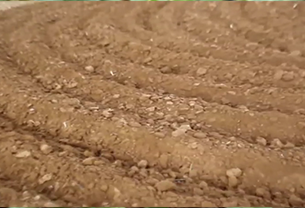
Thorough Ploughing The land is made into ridges and furrows of one feet wide or beds and channels of 4' x 6' depending on cultivation practices. Fertilizer application Selection of seeds
Seed rate Soaking seeds in nutrient solution Precaution Seed treatment using Rhizobium
Seed treatment using fungicide Sowing Irrigation management Foliar feeding of fertilizers The nutrient needed by the fastly developing pulse crops are provided through foliar feeding. This provides rapid food source like sick human are provided glucose fluid through intravenous method. We have to prepare a DAP nutrient solution for spraying. This done by soaking 4kg of DAP fertilizer in 20 litres of water overnight. The next day morning, the solution is filtered through a cloth. One litre of filter ate is then added to the sprayer tank followed by adding 9litres of water to fill the tank. The solution is then sprayed during the early morning or evening to avoid scorching. The crop must be irrigated immediately after spraying. This nutrient solution is sprayed 25-35 days after sowing followed by another spray 40-50 days.
Weed control Pest and disease control Pests The major pest is Heliothis which makes holes in young pods and eats the seeds. The worms can be collected and killed or sprayed with Methyl dematon, Dimethoate or Phosphomidan at the rate of 2ml per litre
Diseases During the growing phases of the seed crop incidence of wilt can be seen. The affected plants turn brown and die. These plants can be rogued out as and when they appear. The affected area sprayed using 0.1 % Bavistin solution. Powdery mildew is noticed by the presence of white powder deposits on the leaves. The powdery mildew can be controlled by spraying Dithane M 45 @ 4g / litre.
Roguing One of the most important aspects of seed production is thorough roguing. Rogue is defined as presence of those plants that deviates from the characters described for the variety. Such rogues if left in the field they tend to reduce the genetic purity of the seed crop and thus reduce purchase value of resultant seed. Roguing is defined as the operation of removing rogues. In practice, all plants that do not obey the characteristics of the particular seed crop are to be removed along with diseased plants, other crop plants, weeds, insect affected plants during roguing operation
When to do rouging? Roguing is more effective if done prior to flowering, since upon flowering there is very high possibility of cross pollination. Though bengalgram is self pollinated, some extent of cross pollination is caused by bees. Roguing is also attempted during flowering, pod formation stage and prior to harvest in case of pulse crop.
Roguing during vegetative stage During vegetative phase i.e. during first 25 days, roguing is attempted based on plant characters like height of plant, leaf shape, size, venation, surface of leaf and presence or absence of hairs on plant surface. Plants showing wilt are also removed.
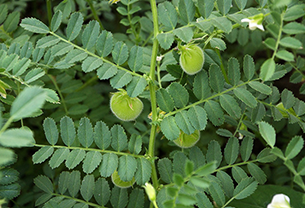
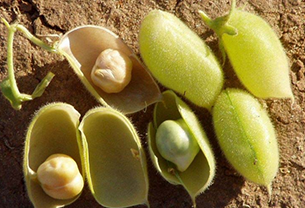
Roguing during flowering stage The rogues are identified based on flower characteristics. During this phase when most of the plants are flowering, all those plants still in vegetative phase are also removed. Roguing during pod formation stage At this stage, the rogues are removed based on pod characteristics like length of pod, size, shape, number of seeds per pod, hairyness and presence of beak.
Roguing during pod harvest phase Roguing is done prior to harvest based on seed characteristics like colour of seed, lustre and size of seed.
Proper care during harvest The seed crop comes to harvest 140 days for Co 1 and 90 days for Co 2 after sowing. At this time, 70% the pods turn straw coloured. Prior to harvest there is an important pest to be controlled. Bruchids are the major pests of stored pulse seeds.
Pre -harvest sanitation spray Bruchids lay eggs on the surface, the grubs bore into the seeds and eat the cotyledon. The seeds thus store poorly and loose viability faster. It has been found that bruchids lay "their eggs on the pods while in the field itself. Hence control of these pests must start from the field it self.
The field carry-over of Bruchids can be controlled if the crop is sprayed using Quinalphos 0.07% (2 ml of insecticide per litre) ten days prior to harvest. Upon ripening, the pods will turn from green to straw coloured. This the right stage for harvest for seed purpose. Delaying will lead to infection by diseases, pests and sometimes seed vigor will be lost due to untimely rains. The first five pods are alone used for seed extraction. During harvest, the shrunken, damaged and immature pods if any are removed.If the plants come to even harvest, ripe pods are picked and then spread out to dry. The pods will dry and become brown and may start splitting. The pods are then beaten using pliable sticks to prevent damage to seeds. After thorough beating, the seeds are separated from pods. The plant debris are removed and seeds cleaned by winnowing.
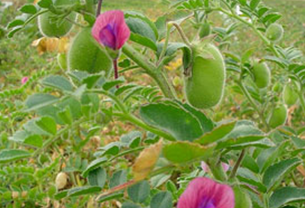
Pods bearing crop Cleaned seeds are then dried on tarpaulin on the threshing floor until the moisture content is reduced to 10%. This is the safe moisture content for storing seeds and maintaining their viability.
Processing to improve seed quality One of the main characteristics of seed quality is the right size. Plumpy seeds are better than ill-filled puny seeds. Grading is one simple method by which we can separate the filled seeds from broken and puny seeds. Grading is done using round holed sieves. Such sieves are easily available in the market. The sieve size for lab lab is 7.00 mm. After sieving, those seeds that are broken, fungal infected, seed coat damaged seeds are removed.
Protecting seeds during storage Seeds after harvest have to be stored so that they are viable and healthy for sowing during the ensuing season. Hence, proper after care during storage is very essential part of seed production. In this section we will learn about the role of seed moisture content, seed treatment and proper methods of storage for prolonging seed viability.
Seed moisture content Seed moisture is the most important physical quality. Seed moisture determines the length of seed storage life. Higher the moisture, the longevity of seed is reduced drastically. Seeds with moisture are attacked by fungal and other storage pests like Bruchids. Further, seeds being living organisms tend to utilize all their stored energy and loose vigor. Hence, reducing seed moisture is the first step in ensuring longer seed life.The moisture content must be reduced to 9% for short term storage of 6-8 months. Seeds with 9% moisture can be stored in cloth bag or gunny. Seeds that have to be stored for long term i.e. 1-2 yrs, have to be dried to 7% moisture. Such seeds have to be stored in polythene bag.
Seed treatment Seeds are generally affected by fungi during storage. To prevent, seeds are treated with fungicide before storage. Lab lab seeds are treated using Bavistin at the rate of 4g/kilo of seeds.
Seed packing After seed treatment, seeds have to be stored in bags or containers. Choosing the right type of container is necessary. This depends on the quantity of seeds to be stored and storage environment. Seeds absorb moisture and even if the seed is dried to safe moisture content before storage, during storage depending upon the prevailing climatic conditions, seeds tend to absorb moisture. If the storage is attempted in an environment with high humidity, seed absorb moisture until they equilibrate with the atmosphere. Hence high humidity in the environment will lead to increase in seed moisture that is detrimental to seed storage. Such high humid conditions exist at sea shores, near lakes and rivers. Most of the places of peninsular India are highly humid especially during the monsoon periods between the months of June-December.In order to store the seeds with any detrimental effect to vigor, seeds are to be stored. In case of short term storage, cloth bag can be preferred. Cloth bag is porous and hence it can hold seeds for short period. However, cloth bags are cheaper and easily made using local tailor. Large quantity of seeds can stored in gunny bag. If the seeds are to be stored for longer period that thick polythene bags can be used. Stacking seed bags Seed bags can be stacked one upon other upto 6 layers. Stacking beyond this will damage the seeds present in the lower layers. To prevent damage to seeds in the bottom layers, the layers can be rotated periodically by shifting the lower layers to the top and vice -versa. Stacking must also be done on dunnages. Dunnages are wooden rafts that keep the seeds above floor and allow aeration. Tarpaulins and thick plastic sheet can also be used.
Taking care of seeds during storage Seed treatment is most effective in combating fungal pathogens.
Grain cum seed storage Pulses are used both as seed and grain. Pulse seeds have high demand as grain also. Farmers may be tempted to use them for grain as the market price for grain sometimes exceeds the seed cost. Under such circumstances the seeds can treated with harmless substances like activated clay, neem oil and vegetable oil. What is activated clay? Activated clay is ordinary white clay moisture removed and acid washed to improve its ability to damage insect surface. It is very cheap and non-toxic to humans. Seeds treated with activated clay can be washed and reused for consumption. Activated clay is used to treat seeds at the rate of 100g per kg of seeds. Activated clay has rough clay particles that cut the surface of bruchids. Such bruchid beetles then die as they loose moisture fast compared to unbruised ones. Similarly pulse seeds can also treated using vegetable oils/neem oil @ 3 m1 per kg. These techniques are eco- friendly techniques which do not harm the environment also. Seed certification Seed certification guarantees the quality of seed as it ensures that the certified seed has the genetic, physical, physiological and seed health qualities. Genetic purity means that the seed gives rise to a plant which conforms to the varietal characteristics of the variety. The physical purity means that the seed is free from stones, broken seeds, straw bits and leaf bits etc. Physiological quality is measured by germination and seed health envisages freedom from pest and diseases. Seed certification is being done in many stages. It starts from verifying whether seeds were obtained from authenticated source, verification of isolation distance and inspection during plant growth, flowering, harvesting, processing and bagging. Also seed samples are drawn form the seed lot and sent to seed testing lab to test whether the seeds are possessing required physical purity and germination. Then certification tag is issued. Colour of the tag is blue for certified seeds. Only those seeds harvested from fields having prescribed field standards and possessing required seed standards are certified by the Certification Agency. Seeds thus certified are offered for sales. For further details nearer seed certification office may be contacted. Minimum seed certification standards prescribed for certified seed
|
|||||||||||||||||||||||||||||||||||||||||||||||||||||||||||||||||||||||||||||
Seed Treatments |
|||||||||||||||||||||||||||||||||||||||||||||||||||||||||||||||||||||||||||||
Seed Certification |
|||||||||||||||||||||||||||||||||||||||||||||||||||||||||||||||||||||||||||||
Seed Storage |
|||||||||||||||||||||||||||||||||||||||||||||||||||||||||||||||||||||||||||||
| Home | Seed Scheme | Seed Village Concept | Mega Seed Project | Related Links | FAQ's | Contacts | |
|||||||||||||||||||||||||||||||||||||||||||||||||||||||||||||||||||||||||||||
| © All Rights Reserved. TNAU-2008. |
|||||||||||||||||||||||||||||||||||||||||||||||||||||||||||||||||||||||||||||