|
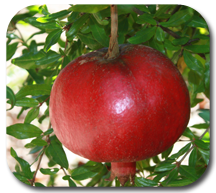
Common name: Pomegranate
S.N: Punica granatum
Family: Punicacea
Major pests |
Major pests of pomegranate
Top
A. FRUIT BORERS
1. Anar butterfly Deudorix (Virachola) isocrates
Symptoms of damage
- Caterpillar bores into young fruits
- Feeds on internal contents (pulp and seeds)
- Fruit rotting and dropping
Top
Identification of the pest:
- Larvae - dark brown, short and stout, covered with short hairs
- Adult - bluish brown butterfly
- Female – V shaped patch on forewing
 |
Adult |
Top
- Collect and destroy damaged fruits
- Clean cultivation as weed plants serve as alternate hosts
- Endemic areas - grow less susceptible varieties
- Adopt ETL (5 eggs/plant)
- Cover the fruit with polythene bags when the fruits are up to 5 cm
- Use light trap @ 1/ ha to monitor the activity of adults
- Insecticides: malathion 50 EC 0.1% or dimethoate 30 EC 0.06%, two rounds, one at flower formation and next at fruit set.
- Flowering stage - spray NSKE 5% or neem formulations 2 ml/1
- Apply dimethoate 30 EC 1.5 ml/1.
- Release Trichogramma chilonis at one lakh/acre.
Top
2. Fruit borer, Conogethes punctiferalis
Symptoms of damage
- Caterpillar bores into young fruits
- Feeds on internal contents (pulp and seeds)
- Dry up and fall off in without ripening
Top
Identification of the pest
- Larva: Pale greenish with pink tinge and fine hairs with dark head and prothoracic shield.
- Adult: Yellowish moth with black spots on the wing and body
 |
Adult |
- Collect and destroy damaged fruits
- Clean cultivation as weed plants serve as alternate hosts
- Use light trap @ 1/ ha to monitor the activity of adults
- Insecticides: malathion 50 EC 0.1% or dimethoate 30 EC 0.06%, two rounds, one at flower formation and next at fruit set.
Top
B.SUCKING PESTS
3. Tailed mealy bug, Ferrisia virgata
Symptoms of damage
- Premature dropping of fruit.
Top
Identification of the pest
- Nymph: Yellowish to pale white.
- Adult: Females apterous, long, slender covered with white waxy secretions, pair wax filaments at caudal end.
- Collect and destroy the infested plant parts
- Remove alternate hosts
- Triozhophos 2 ml+ neem oil 5 ml/1, phosalone 35 EC 1.5 ml+ neem oil 5 ml/1.
- Spray methyl demeton 25 EC or monoccrotophos 36 WSC 2ml/lit
- Spray application of dichlorovas 76 WSC 1ml/lit + fish oil rosin soap 25 g/lit
- Release Cryptolaemous montrouzieri beetles @ 10/tree.
Top
4. Whitefly, Siphoninus phillyreae
Symptoms of damage
- Nymphs and adults suck the sap from leaves
- Honey dew - development of sooty mould fungus
- Yellowing of leaves.
- Dropping of affected leaves.
Top
Identification of the pest
- Nymph - short glass like rods of wax along the sides of the body
- Adult - Powdery white, active during early morning hours.
 |
Adult - white fly |
- Field sanitation
- Removal of host plants
- Installation of yellow sticky traps
- Spray neem oil 3% or NSKE 5%
- Release of predators viz., Coccinellid predator, Cryptolaemus montrouzieri and lace wing fly, Mallada astur
- Release of parasitoids viz., Encarsia haitierrsis and E.guadeloupae
Top
5. Aphid, Aphis punicae
Symptoms of damage
- Nymphs and adults suck the sap from leaves, shoots and fruits
- Yellowing of leaves
- Wilting of terminal shoots.
Top
Identification of the pest:
- Pale green, winged and wingless aphids.
 |
Aphids, Aphis punicae |
- Collect and destroy the damaged plant parts
- Use yellow sticky trap
- Spray application of dimethoate 25 EC or methyl demeton 30EC at 2ml/lit for effective management this pest
- Release first instar larva of Chrysoperla carnea @ 15 / flowering branch (four times) at 10 days interval from flower initiation during April
Top
|